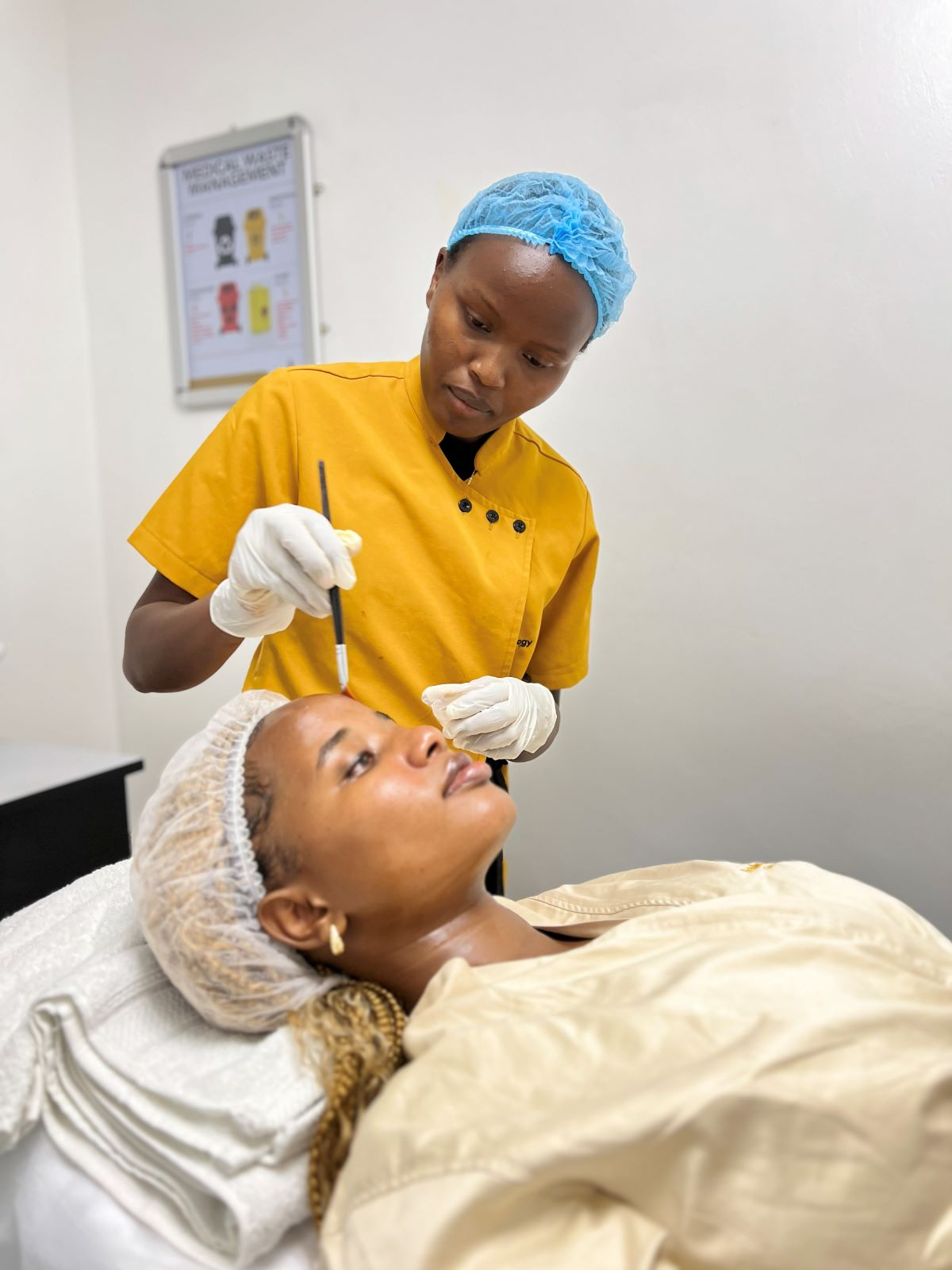
Chemical Peels & Facials
Superficial peels to lift dullness and support your pigment regimen.
Learn morePigmentation responds to consistency, not intensity. We build a regimen you can sustain, protect it from the sun, and add gentle in-clinic treatments only when your skin is ready.
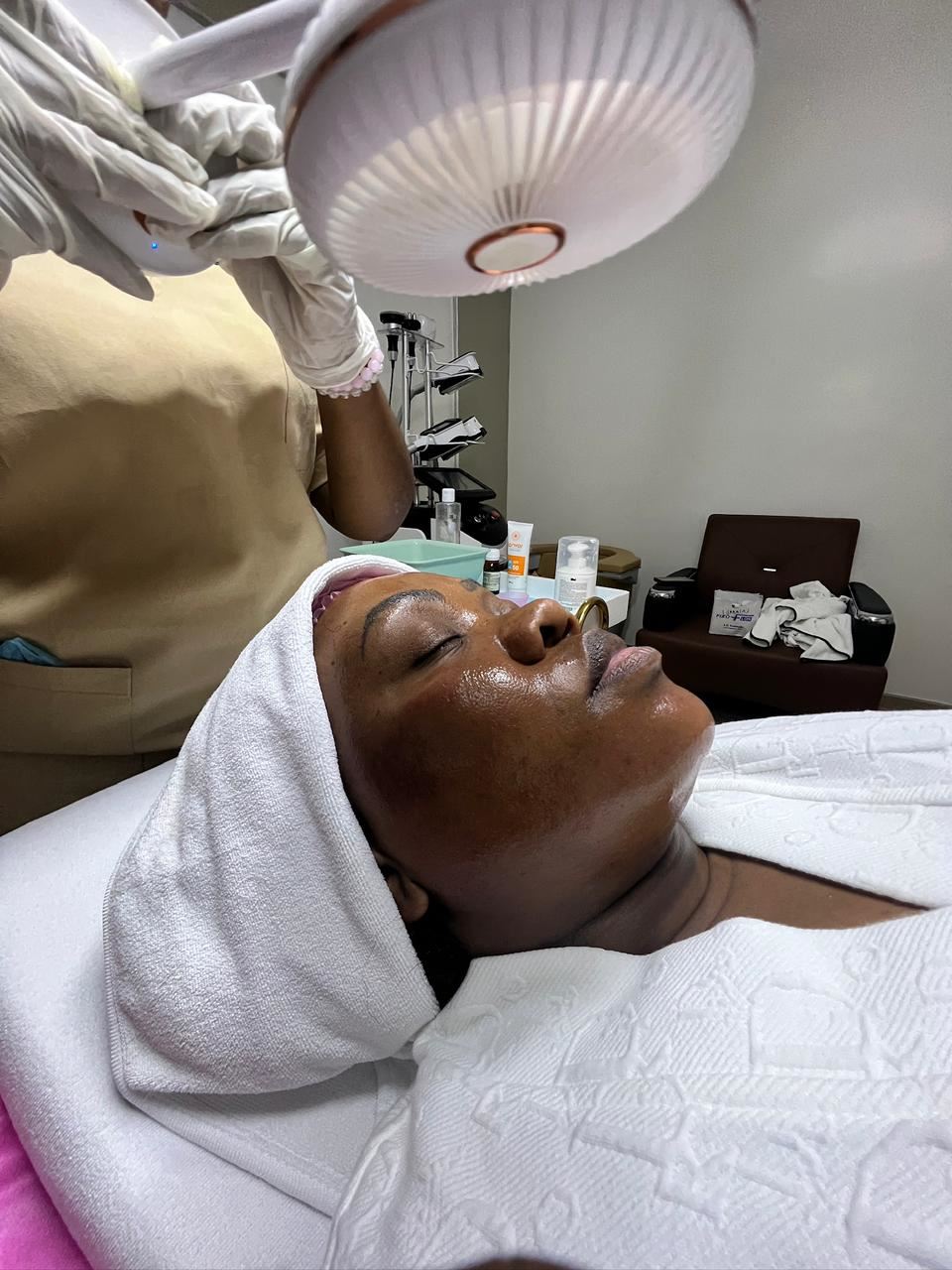
Melasma is managed, not cured. With the right routine and sun protection it can fade dramatically — but it can return, so maintenance matters.
Under good lighting and dermoscopy we work out what’s driving your pigmentation and how deep it sits — this decides everything else.
Broad-spectrum SPF, tinted for visible-light protection, plus antioxidants and a gentle barrier routine. Non-negotiable and started first.
Pigment-inhibiting actives — often in rotation — tailored to your tolerance, with clear instructions to avoid irritation.
Once tone is stable: light peels, and carefully chosen laser or microneedling for resistant cases only.
Expect gradual change over 8–12 weeks, with continued improvement to 6 months. Rushing with aggressive treatment often makes pigmentation worse.
Laser is used cautiously and rarely as a first step for melasma — the wrong device or settings can rebound or worsen it. Topatch regimens and sun protection do most of the work.
Yes — including indoors near windows and on cloudy days. Sun and visible light are the biggest drivers of relapse.
Melasma can. A maintenance routine and diligent sun protection keep it controlled long-term.
Superficial peels to lift dullness and support your pigment regimen.
Learn more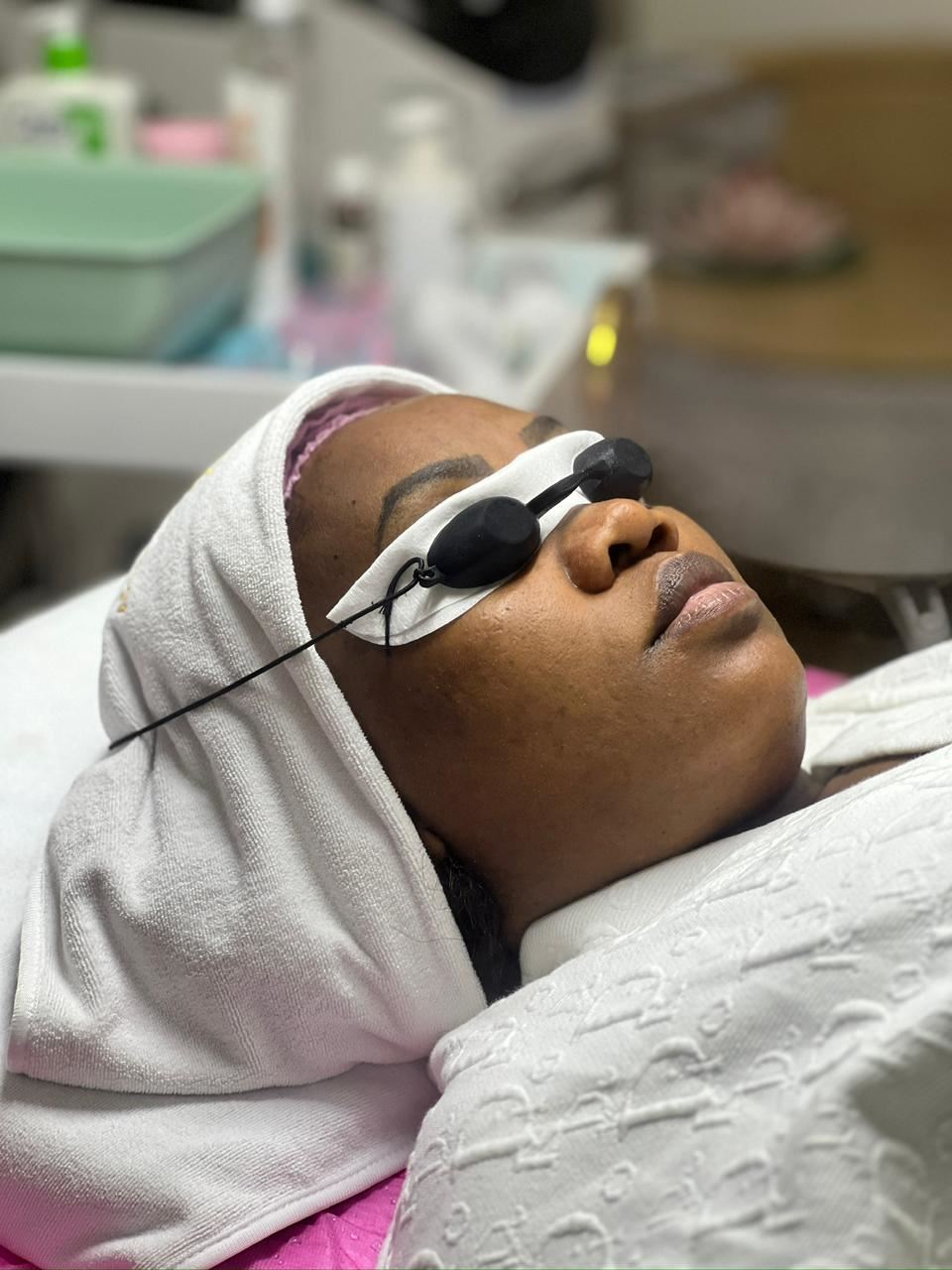
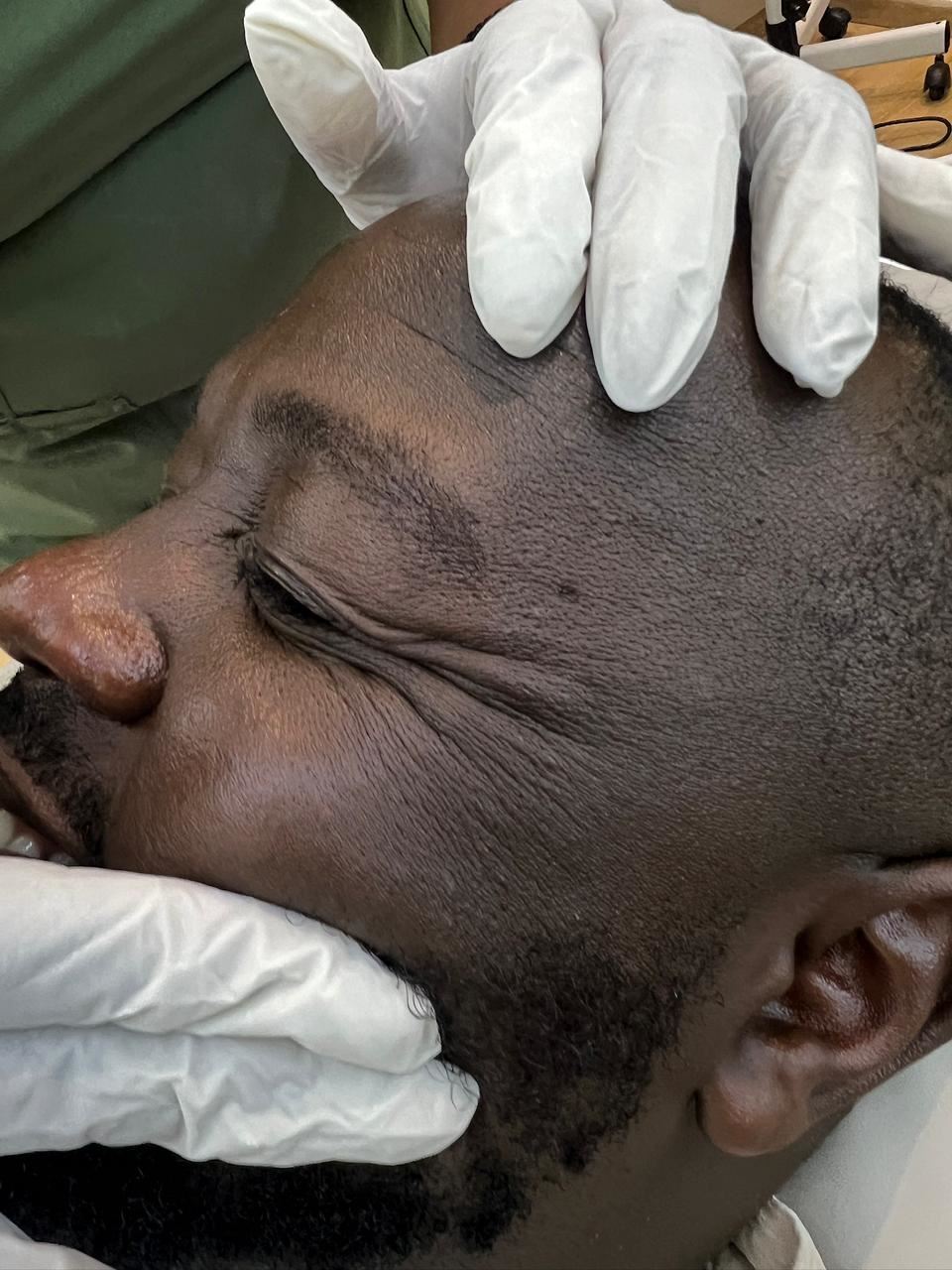
If an underlying condition is fuelling the pigmentation, we treat that first.
Learn moreBook a consultation for an accurate diagnosis and a routine built around your skin and your routine.